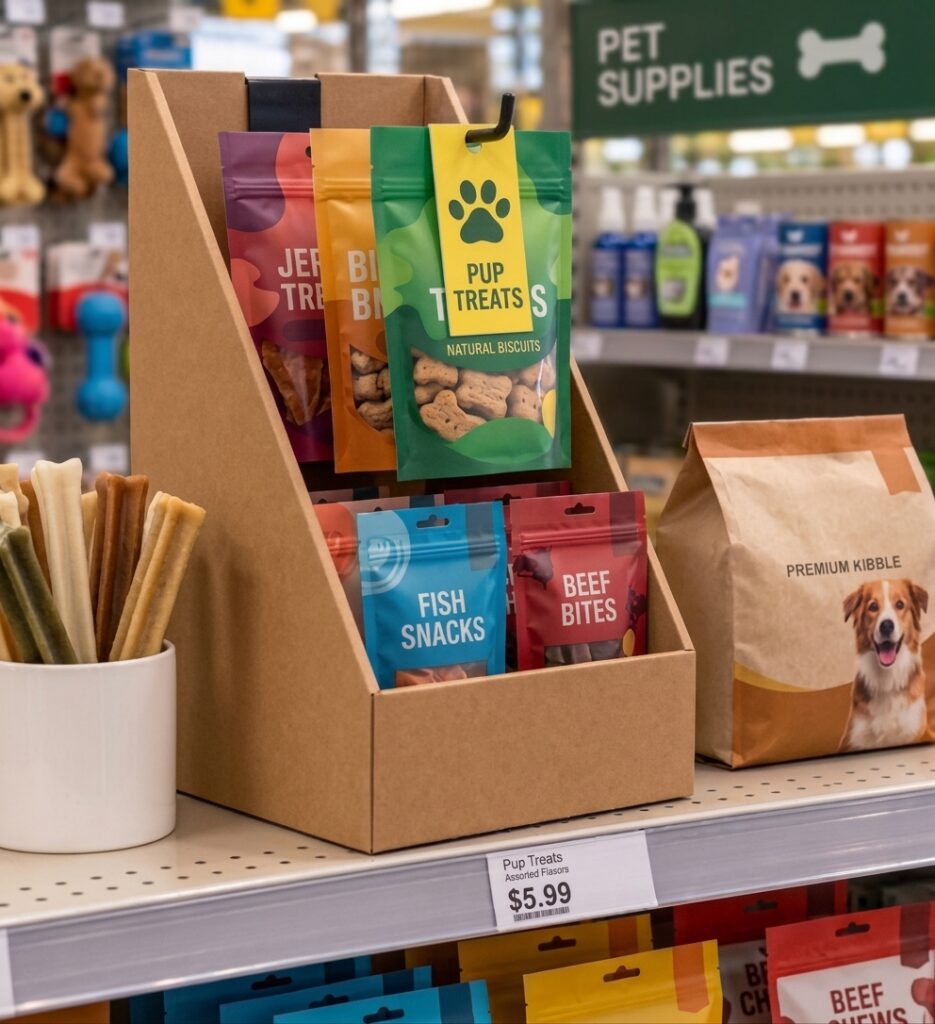

Retail displays need to do more than look good. They must be easy to assemble, sturdy enough to ship, simple for store staff to set up, and intuitive for shoppers to use. When products are difficult to load, hooks fail to hold securely, or displays become messy after a few interactions, the result is extra labor, lost presentation value, and a weaker shopping experience.
That is where the right display hook can make a meaningful difference.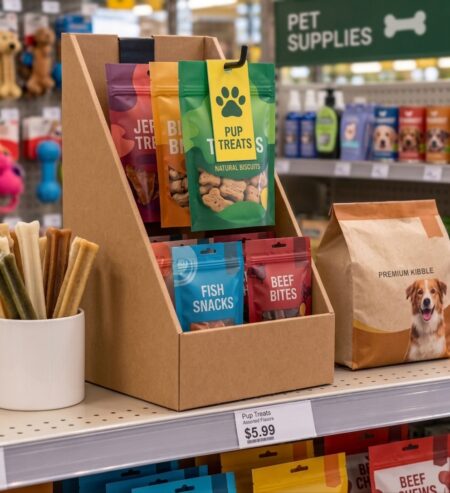
The Retail Display Challenge
In busy retail environments, store teams do not have time to fight with displays. If products are hard to load, hooks are difficult to secure, or merchandise shifts during transportation, displays may arrive needing extra attention before they ever reach the sales floor.
Once in store, poorly supported products can drift out of alignment, fall out of place, or become difficult for shoppers to remove and return neatly. The display stops supporting the sale and starts creating more work.
A good display should arrive ready, stay organized, and make shopping easy.
Why the Hook Matters
When designing corrugated retail displays, it is easy to focus on graphics, structure, and product layout. But the components that hold the products are just as important to real-world performance.
A display hook affects assembly speed, product spacing, product security, store setup time, display appearance, and customer interaction. The right hook helps products stay organized, secure, and easy to access from pack-out through purchase.
Better Performance Starts at Pack-Out
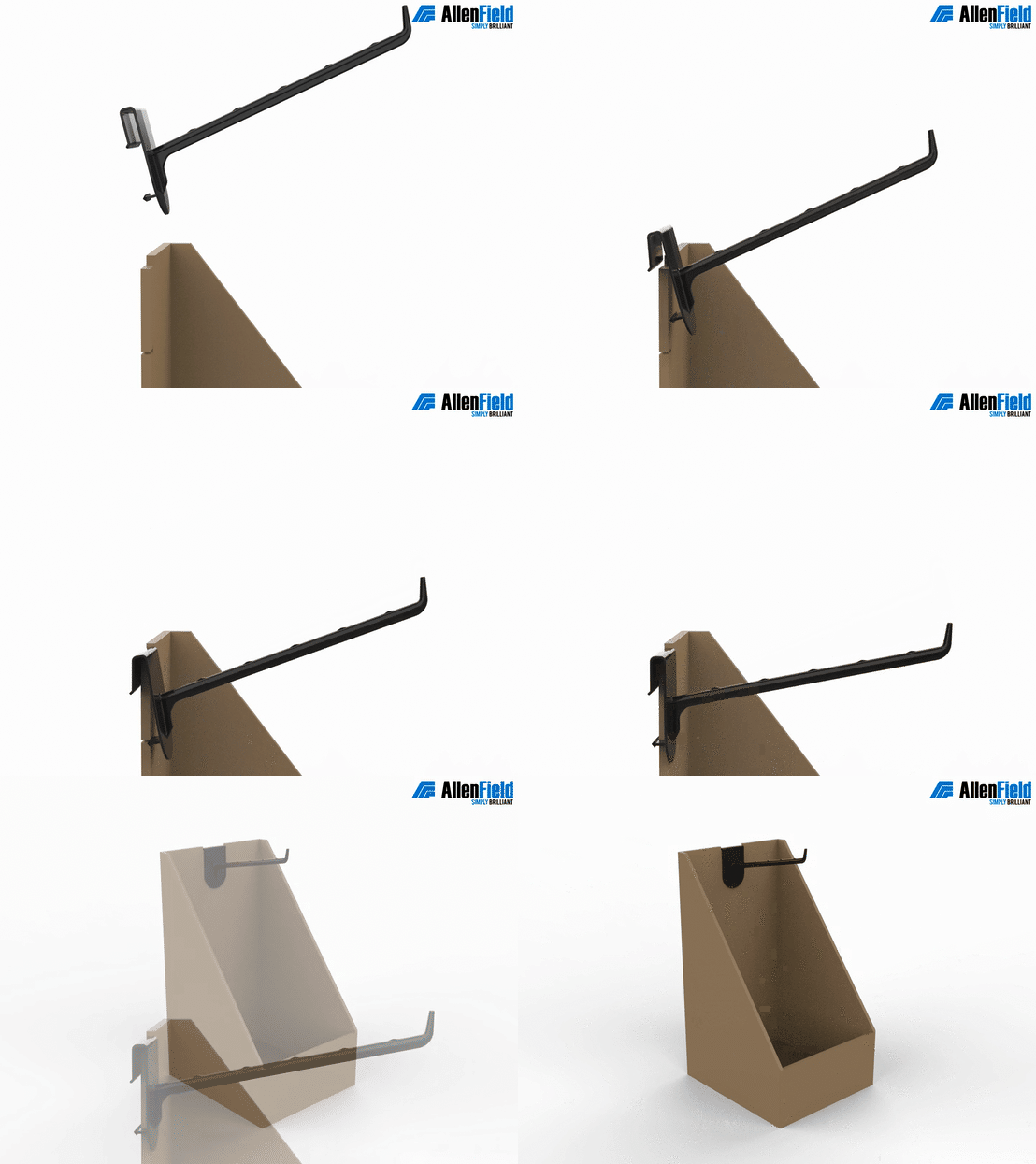
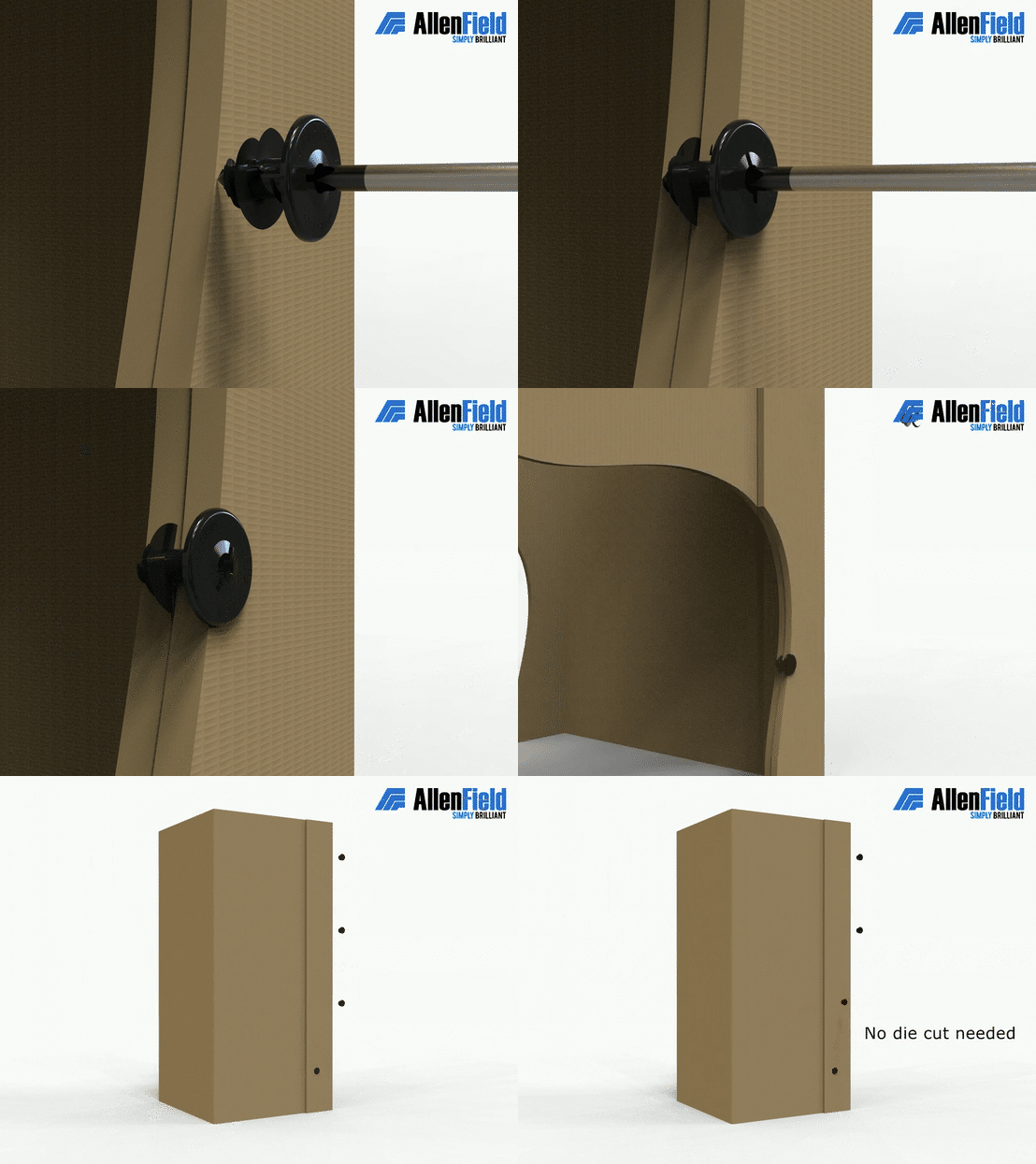
A display hook’s job begins long before the display reaches the store. At assembly, it should install quickly, lock securely, and support consistent product placement.
For high-volume programs, even small time savings can add up quickly. When hooks are easy to use, production teams can load displays more efficiently while maintaining a clean, professional presentation.
Built for Transportation and Store Setup
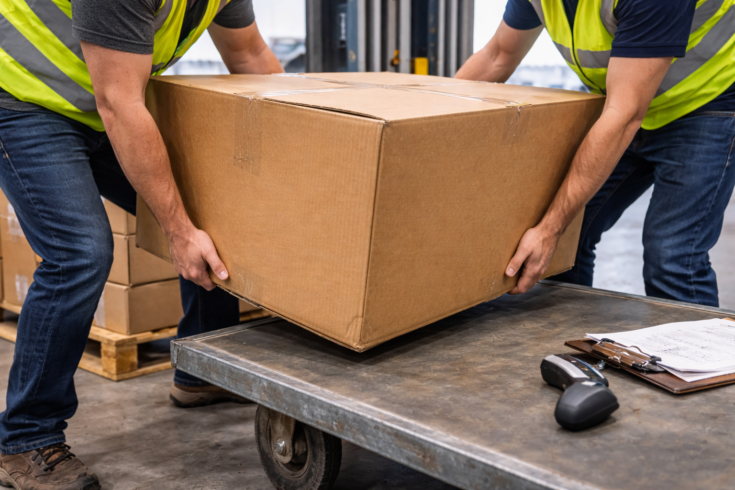
After pack-out, displays must survive movement, packing, shipping, and handling. If hooks do not hold merchandise securely, products can shift, fall, or arrive out of position—creating rework and extra labor at the store level.
Smart display hooks help keep products in place during transit and reduce the time needed to prepare displays for the sales floor. Features such as auto-locking, proper spacing, and simple installation help displays arrive closer to retail-ready condition.
Improving Shopper Experience
 A display also needs to work for the customer. Products should be easy to see, easy to remove, and easy to shop without disrupting the entire presentation.
When items are crowded, poorly spaced, or difficult to return to position, the display can quickly become disorganized. Well-designed hooks and hangers help maintain spacing and presentation, supporting product visibility, customer engagement, and overall retail performance.
Allen Field POP Display Aids
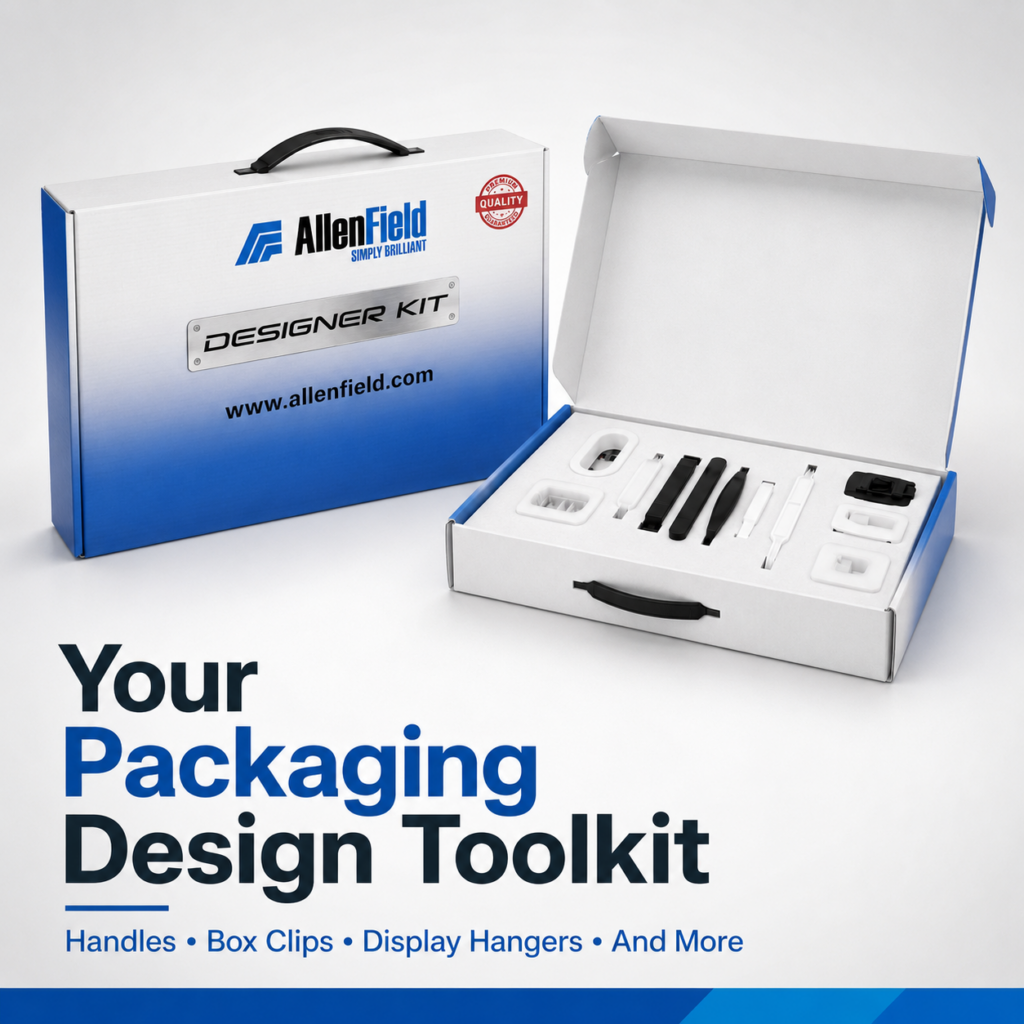
Allen Field offers display hooks and merchandising components designed to support corrugated displays from pack-out to presentation.
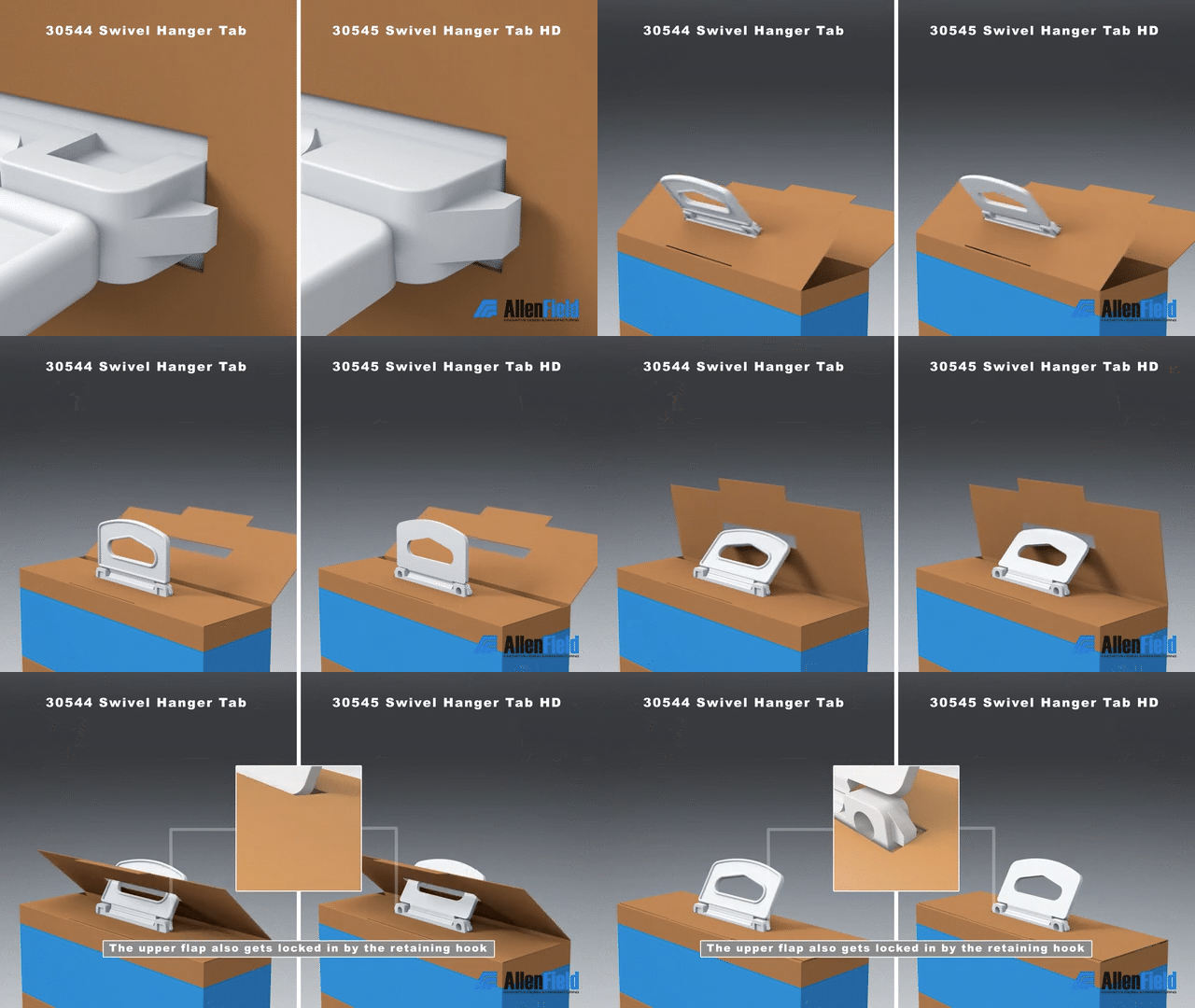
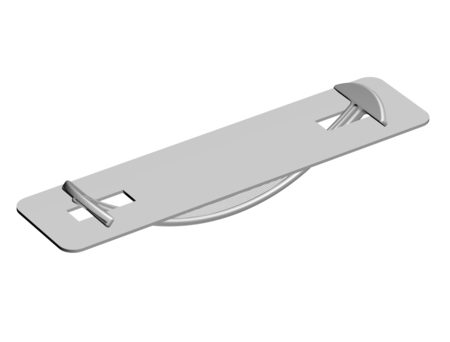
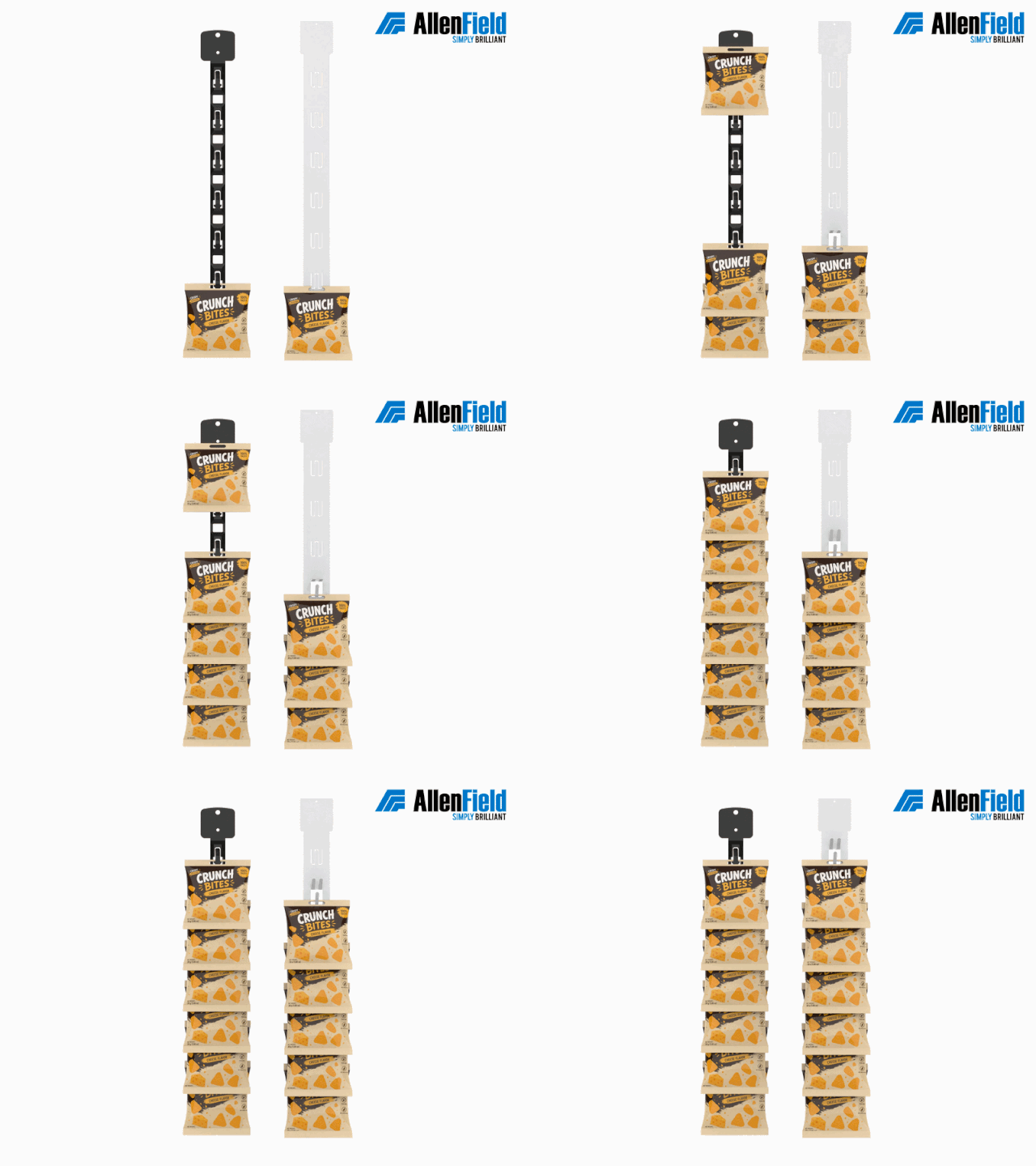
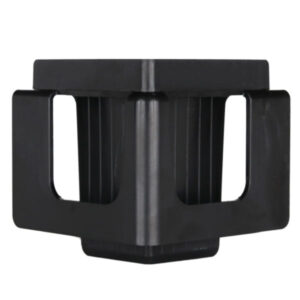
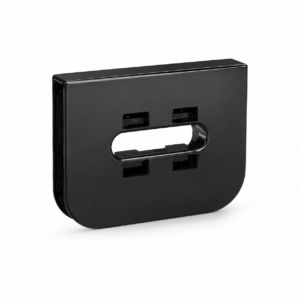
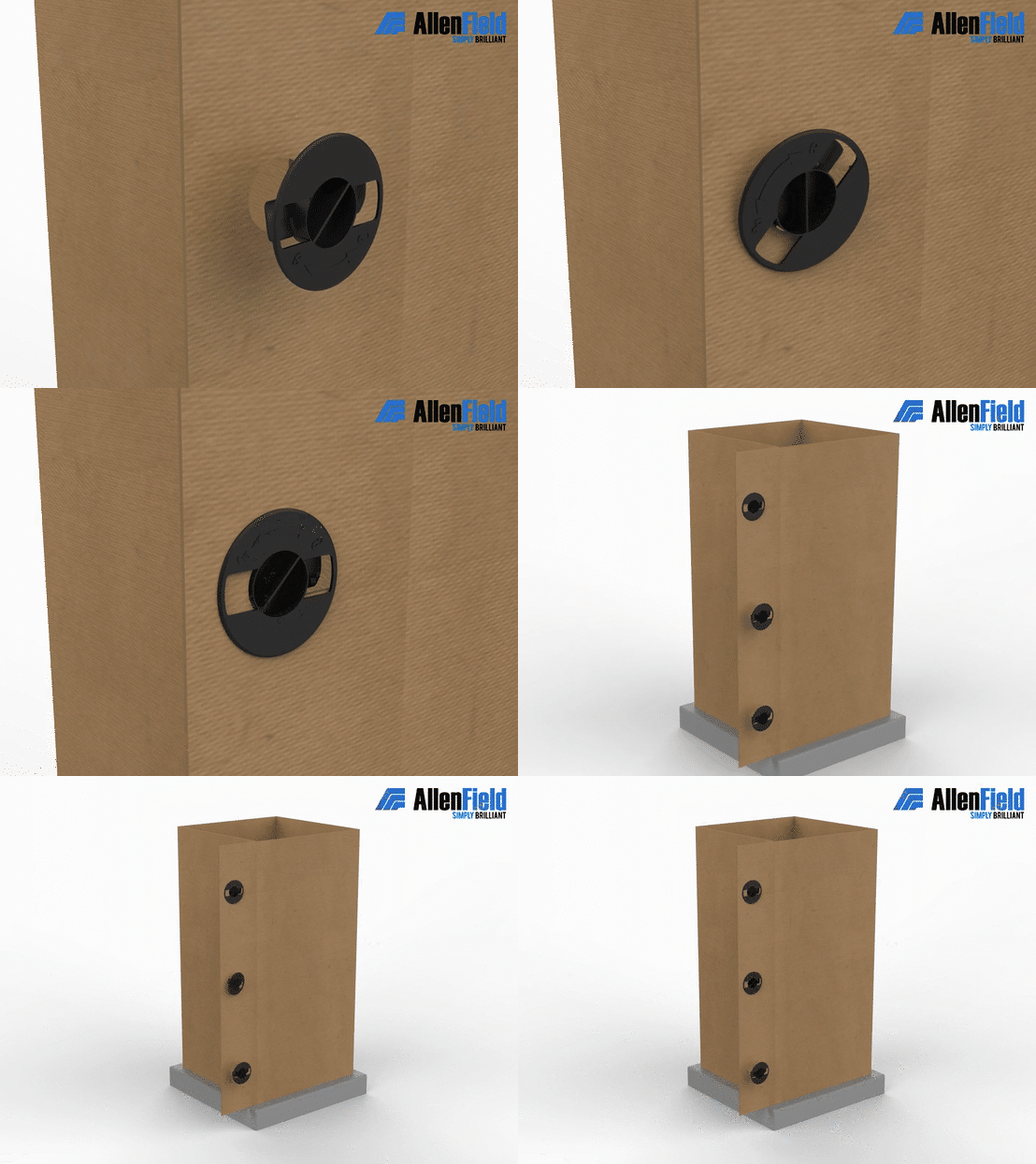
Solutions such as the Over Top Display Hook are designed for quick installation, secure locking, and reliable product spacing on corrugated display trays. Allen Field also offers merchandise strips, swivel hang tabs, pilfer-resistant hangers, and other display aids that help retail programs perform better in real-world environments.
Small Components, Big Impact
A successful retail display is not only about how it looks. It is also about how easily it can be assembled, transported, maintained, and shopped.
From pack-out to presentation, smarter display hooks can reduce labor, improve product security, support cleaner merchandising, and create a better experience for store staff and shoppers.